Blog ·
Preparing Your Wedding Day for Video: A Practical Guide for Couples
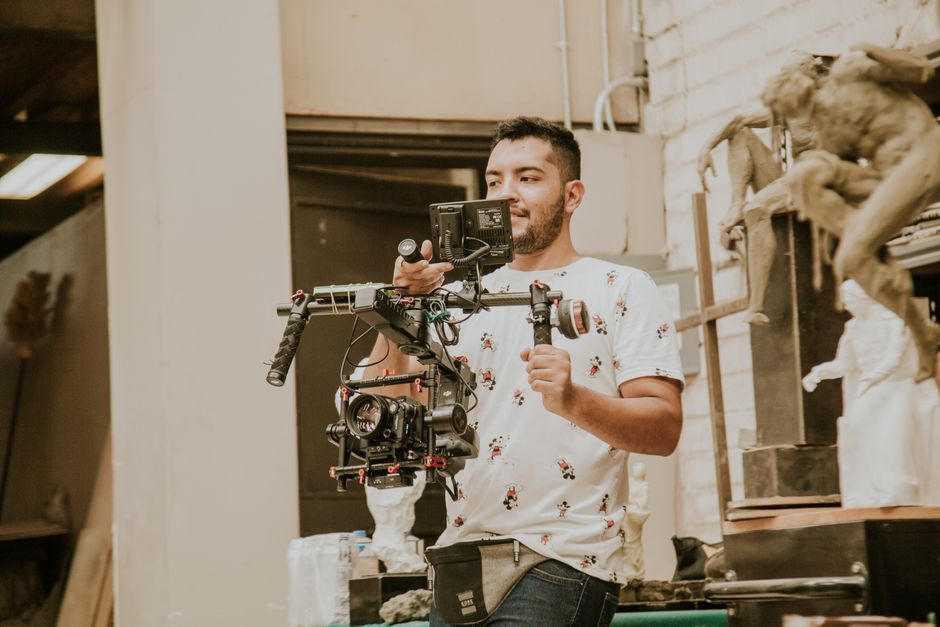
Working with a professional videographer goes beyond simply hiring someone to show up and press record. To get the best possible results, there are thoughtful preparations that make a real difference in the final film. Here's what you should know.
Start with communication. Share your videographer with details about your day's schedule, including timing for key moments. Let them know about first looks, ceremony logistics, and where you plan to take formal photos. Provide information about your venue layout, including where natural light is best and any restrictions on camera placement. The more context your videographer has, the better they can plan their shots.
Consider your day's flow. Videographers thrive when moments have breathing room. Back-to-back events with no transitions make filming feel rushed and chaotic. Build in time between getting ready, the ceremony, and the reception. These natural breaks allow your videographer to capture preparation moments, transition sequences, and create a cinematic rhythm.
Lighting matters significantly. If you're marrying indoors with artificial light, discuss this with your videographer in advance. If your ceremony is outdoors, timing affects how light looks on camera—golden hour (the hour before sunset) photographs and films beautifully. Early-morning or midday sunlight creates different moods. Talk about when your key moments occur relative to lighting conditions.
Think about audio. If you're exchanging vows, ensure your videographer can record clean audio. Some venues have sound systems your videographer can tap into for ceremony audio. Discuss microphone options beforehand. Similarly, if you have speeches during your reception, clear audio makes them more impactful in your final film.
Delegate a point person. During your wedding day, you'll be busy being present. Having a trusted friend or family member who knows your videographer's needs helps with logistics—opening doors, clearing paths, and communicating timing changes. This reduces the burden on you and helps your videographer work efficiently.
Be intentional about details. If certain elements matter to you—your dress, flowers, rings, or décor—mention this. Your videographer can frame shots to highlight what's meaningful. However, remember that the best footage often comes from authentic moments rather than staged details, so balance intentionality with spontaneity.
Finally, trust the process. Your videographer has experience understanding which moments matter most and how to capture them. Resist over-directing or being overly concerned with being filmed. The most beautiful footage happens when you're genuinely present and engaged with your day.
These preparations ensure that your videographer can focus entirely on capturing your story, rather than navigating uncertainty. The result is a film that truly reflects your wedding as it unfolded.