Blog ·
The Cinematic Approach to Wedding Filmmaking: Understanding the Difference
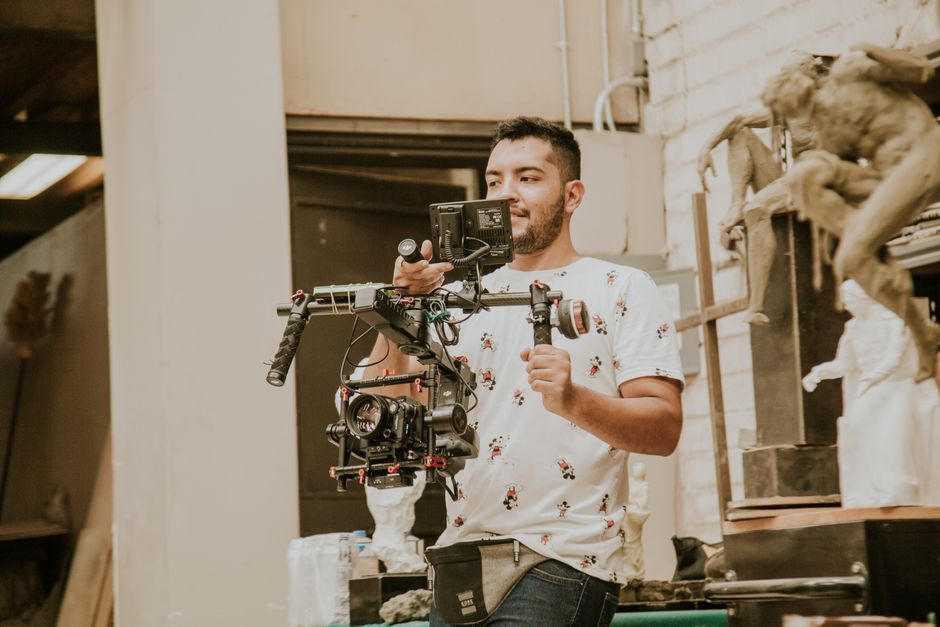
The word "cinematic" gets used often in wedding videography, but what does it actually mean? Understanding this approach helps explain why it resonates so deeply with couples and why it requires a different skill set than standard video recording.
Cinematic filmmaking treats your wedding like a narrative film. This means employing techniques borrowed from cinema: intentional camera movement, carefully composed shots, dynamic editing, color grading, and soundscape design. Instead of letting the camera passively observe, a cinematic approach actively shapes how your story unfolds on screen.
Camera movement, for instance, serves purpose beyond mere documentation. A slow push-in during your first kiss creates intimacy. A wider pull-back shot establishes the grandeur of your venue. Smooth tracking shots as you walk down the aisle build emotional momentum. These aren't random movements; they're chosen to enhance the viewer's emotional experience.
Composition matters too. A cinematographer thinks about foreground, middle ground, and background—creating depth that makes scenes feel more immersive. They consider how natural light falls during golden hour and plan key moments accordingly. They frame shots to emphasize connection and eliminate distractions. This level of attention transforms ordinary moments into visually compelling sequences.
Color grading is another cinematic element often overlooked. Subtle adjustments to color tone create mood and consistency throughout your film. Warmer tones might emphasize the joy of your reception, while cooler tones might enhance the intimacy of getting-ready moments. These choices are intentional and unified, creating a visual language unique to your wedding.
Sound design elevates cinematic films beyond typical wedding videos. This includes thoughtfully selected music that complements the pacing and emotional arc, high-quality audio captured during ceremonies and vows, and ambient sound that puts viewers in the moment. The result is immersive rather than simply visual.
Editing rhythm is crucial as well. Rather than showing everything that happened, cinematic editing selects key moments and sequences, building narrative momentum and maintaining viewer engagement. Transitions feel smooth and natural. Pacing respects both the quiet, intimate moments and the celebratory peaks.
A cinematic approach demands more technical skill, planning, and artistic vision. It requires understanding not just how to operate cameras, but how to compose images, direct scenes subtly, manage lighting, and orchestrate sound. It means treating your wedding day like a film production, even as it remains your authentic celebration.
When you watch a cinematic wedding film, you're experiencing your day transformed into art—not a raw record, but an interpretation that captures the feeling and beauty of who you are together.